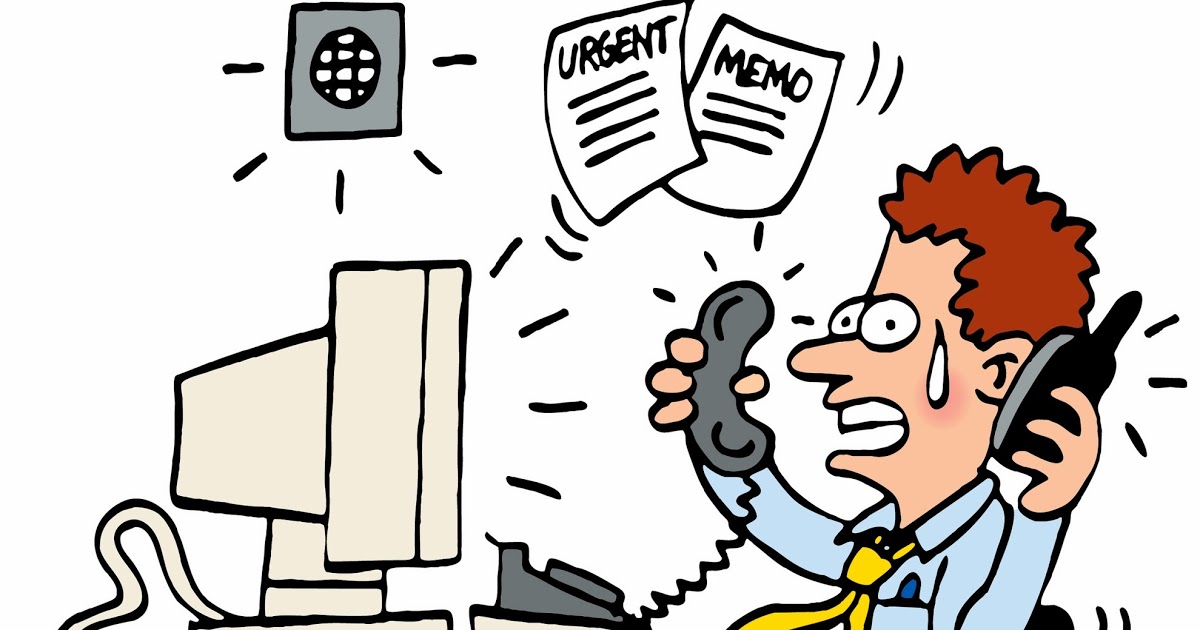
Everyone who has ever held a job has, at some point, felt the pressure of work-related stress. Any job can have stressful elements, even if you love what you do. In the short-term, you may experience pressure to meet a deadline or to fulfill a challenging obligation. But when work stress becomes chronic, it can be overwhelming — and harmful to both physical and emotional health.
Unfortunately such long-term stress is all too common. In 2012, 65 percent of Americans cited work as a top source of stress, according to the American Psychological Association’s (APA) annual Stress in America Survey. Only 37 percent of Americans surveyed said they were doing an excellent or very good job managing stress.
A 2013 survey by APA’s Center for Organizational Excellence also found that job-related stress is a serious issue. More than one-third of working Americans reported experiencing chronic work stress and just 36 percent said their organizations provide sufficient resources to help them manage that stress.
You can’t always avoid the tensions that occur on the job. Yet you can take steps to manage work-related stress.
Common Sources of Work Stress
Certain factors tend to go hand-in-hand with work-related stress. Some common workplace stressors are:
- Low salaries.
- Excessive workloads.
- Few opportunities for growth or advancement.
- Work that isn’t engaging or challenging.
- Lack of social support.
- Not having enough control over job-related decisions.
- Conflicting demands or unclear performance expectations.
Effects of Uncontrolled Stress
Unfortunately, work-related stress doesn’t just disappear when you head home for the day. When stress persists, it can take a toll on your health and well-being.
In the short term, a stressful work environment can contribute to problems such as headache, stomachache, sleep disturbances, short temper and difficulty concentrating. Chronic stress can result in anxiety, insomnia, high blood pressure and a weakened immune system. It can also contribute to health conditions such as depression, obesity and heart disease. Compounding the problem, people who experience excessive stress often deal with it in unhealthy ways such as overeating, eating unhealthy foods, smoking cigarettes or abusing drugs and alcohol.
Taking Steps to Manage Stress
- Track your stressors. Keep a journal for a week or two to identify which situations create the most stress and how you respond to them. Record your thoughts, feelings and information about the environment, including the people and circumstances involved, the physical setting and how you reacted. Did you raise your voice? Get a snack from the vending machine? Go for a walk? Taking notes can help you find patterns among your stressors and your reactions to them.
- Develop healthy responses. Instead of attempting to fight stress with fast food or alcohol, do your best to make healthy choices when you feel the tension rise. Exercise is a great stress-buster. Yoga can be an excellent choice, but any form of physical activity is beneficial. Also make time for hobbies and favorite activities. Whether it’s reading a novel, going to concerts or playing games with your family, make sure to set aside time for the things that bring you pleasure. Getting enough good-quality sleep is also important for effective stress management. Build healthy sleep habits by limiting your caffeine intake late in the day and minimizing stimulating activities, such as computer and television use, at night.
- Establish boundaries. In today’s digital world, it’s easy to feel pressure to be available 24 hours a day. Establish some work-life boundaries for yourself. That might mean making a rule not to check email from home in the evening, or not answering the phone during dinner. Although people have different preferences when it comes to how much they blend their work and home life, creating some clear boundaries between these realms can reduce the potential for work-life conflict and the stress that goes with it.
- Take time to recharge. To avoid the negative effects of chronic stress and burnout, we need time to replenish and return to our pre-stress level of functioning. This recovery process requires “switching off” from work by having periods of time when you are neither engaging in work-related activities, nor thinking about work. That’s why it’s critical that you disconnect from time to time, in a way that fits your needs and preferences. Don’t let your vacation days go to waste. When possible, take time off to relax and unwind, so you come back to work feeling reinvigorated and ready to perform at your best. When you’re not able to take time off, get a quick boost by turning off your smartphone and focusing your attention on non-work activities for a while.
- Learn how to relax. Techniques such as meditation, deep breathing exercises and mindfulness (a state in which you actively observe present experiences and thoughts without judging them) can help melt away stress. Start by taking a few minutes each day to focus on a simple activity like breathing, walking or enjoying a meal. The skill of being able to focus purposefully on a single activity without distraction will get stronger with practice and you’ll find that you can apply it to many different aspects of your life.
- Talk to your supervisor. Healthy employees are typically more productive, so your boss has an incentive to create a work environment that promotes employee well-being. Start by having an open conversation with your supervisor. The purpose of this isn’t to lay out a list of complaints, but rather to come up with an effective plan for managing the stressors you’ve identified, so you can perform at your best on the job. While some parts of the plan may be designed to help you improve your skills in areas such as time management, other elements might include identifying employer-sponsored wellness resources you can tap into, clarifying what’s expected of you, getting necessary resources or support from colleagues, enriching your job to include more challenging or meaningful tasks, or making changes to your physical workspace to make it more comfortable and reduce strain.
- Get some support. Accepting help from trusted friends and family members can improve your ability to manage stress. Your employer may also have stress management resources available through an employee assistance program (EAP), including online information, available counseling and referral to mental health professionals, if needed. If you continue to feel overwhelmed by work stress, you may want to talk to a psychologist, who can help you better manage stress and change unhealthy behavior.
Copyright Information: This article is wholly sourced from the American Psychology Association. Korsell Corporate Consult is pleased to share the truths therein and has reproduced it as part of efforts to maintain a healthy corporate culture.